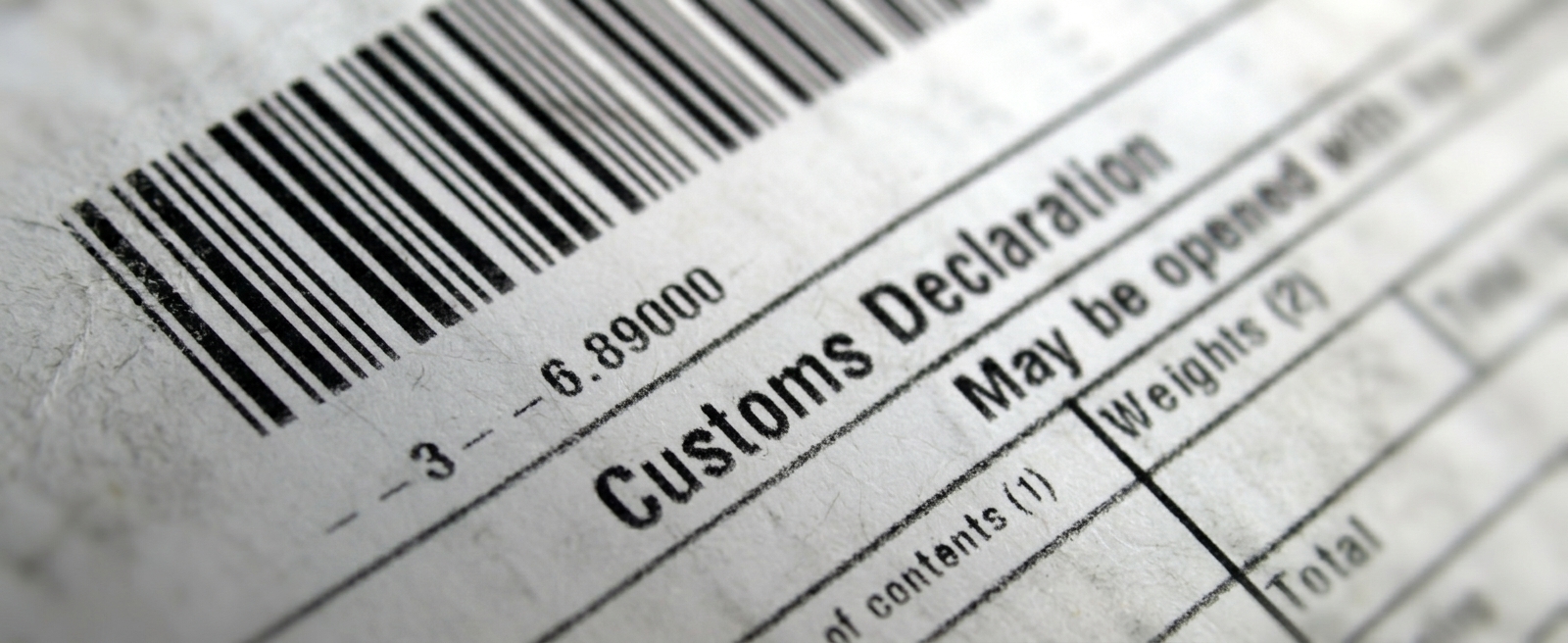
Shipping cross-border to European markets outside or into the European Union means dealing with customs processes and keeping up with each country’s various legal requirements regarding necessary documentation, taxes, and duties.
Managing returns from these countries can also be challenging, and that often holds online retailers back from expanding into valuable markets, particularly with concerns over passing fees on to buyers. But when you know the rules and have the right partner, shipping goods across borders is possible and profitable.
What are the challenges faced in e-commerce customs clearance?
Navigating customs clearance for e-commerce in Europe can take time and effort. There are several common problems you might face:
- Understanding and following the customs regulations in every European country
- Completing paperwork correctly
- Calculating and paying customs duties and taxes
- Managing delays from inspections or errors in documentation
- Staying updated on trade policies and agreements
Many international e-commerce shippers need to work with external service providers or a customs broker to help with legal requirements, faster processing of the necessary documentation, and avoid any potential problems. Especially as working with the right customs clearance partner can lessen the risk of shipments being blocked during customs processes and help simplify managing customer returns from abroad.
"Shipping to countries like Switzerland, the UK, and Norway can be complex, but with the right preparation and the right partner, it doesn't have to be. The key to smooth customs clearance lies in clean customs data and compliance with local regulations. At Seven Senders, we help businesses avoid delays and penalties by providing expert guidance every step of the way." – Allan Meichsner, Senior Manager Business Development Customs
What are the key documents required for successful e-commerce customs clearance?
Accurate and complete documentation is crucial for a smooth customs clearance process when shipping goods to or from a country with a customs border. The necessary documents required for successful e-commerce customs clearance in Europe typically include:
- A commercial invoice
- A packing list
- Correct shipping label
- Certificate of origin
- Harmonized System (HS) code documentation
- Import/export permits (if applicable)
- Any other specific documentation required by the destination country's customs authorities
When you import or export goods to the UK, an Economic Operator Registration and Identification (EORI) number is required to let customs authorities know who is sending and receiving the packages. Without an EORI number, your goods might get delayed at the border, disrupting your supply chain. Shippers can easily apply for an EORI number online at the UK government's official website.
How to avoid custom clearance delays on your shipments & what to do if they fail clearance
The primary way to avoid shipping delays, whether importing or exporting your goods, is to ensure your invoice has clear and detailed information. This includes the type of goods, their value, weight, and where they come from. It's also good practice to double-check all documentation beforehand to avoid any mistakes in your customs documents.
In the unfortunate case that a shipment does get stuck in customs, the best thing you can do is act quickly. Talk to your customs partner or logistics provider to understand why there is a hold-up and what solutions are available. Be ready to share any extra details or documents that customs authorities need. By staying organized and quick to respond during the customs clearance process, you can keep your international shipping running smoothly for your e-commerce business.
"Customs documentation and correct HS codes are essential to prevent delays and unexpected fees. With Seven Senders, we take the complexity out of customs compliance, handling everything from export and import to exit clearance. Our team ensures that your online shop stays compliant with ever-changing regulations, allowing you to focus on growing your business." – Jan Halberstadt, CEO Seven Senders Customs Services
How are customs duties and taxes calculated on shipments?
Understanding the difference between customs duties and taxes is key. Duties are a type of tax charged on goods that enter or leave a country. Taxes are charges placed by the importing country on almost all purchases. Both duties and taxes contribute to the total cost of the product.
Duties are collected by customs as government revenue. In the simplest of terms, they protect local industries that make the same type of goods by increasing the cost to the customer. Most duties are paid by the importer and added to the cost of the goods sold, including the shipping and handling charges and any insurance.
Customs also collect taxes when goods enter a country, which the importer pays. These taxes may include sales tax, value-added tax (VAT), and goods and services tax. Rates vary by country and are also charged based on the cost of goods sold, freight, and other expenses.
All duties and taxes are based on the tax rates of the destination country and the details listed on your invoice, including the type and value of the goods, the weight, and the country of origin. Missing information on the invoice can delay shipments and result in incorrect charges.
Retailers calculate their customs duties and taxes using the destination country’s published rates. Both duties and taxes are paid before goods are released from customs.
In which European countries is customs clearance necessary?
For international online retailers shipping across Europe, there are a few countries where customs clearance is required. Some of the biggest markets are the UK, Switzerland and Norway. Despite these specific rules, the above markets are economically strong and typically well worth the effort to comply with customs clearance requirements. Below is a short summary:
Shipping goods to and from the UK:
With the advent of Brexit, some important changes have occurred. The United Kingdom is now considered a “third country” and not part of the EU economic structures.
Shipping to Switzerland:
Switzerland is also a non-EU country, but as a European Free Trade Union member, it has more straightforward, although specific, rules for shipments into the country. Shipping to Switzerland requires declarations; however, there is no value-based customs duty. Instead, retailers pay based on weight and tariff numbers. The exception is that customs duties are required on products manufactured outside the EU. Also, for non-Swiss companies, registration is required for sellers with global sales over CHF 100,000. It's important to note that starting January 1, 2024, Switzerland eliminated import customs duties on industrial goods.
Want to know more? In these related blogs, we give you all the details about the top last mile carriers in the UK and the best Swiss parcel shipping providers.
Shipping to Norway:
The country is not an EU member state but part of the European Free Trade Association (EFTA) and, therefore, has its own customs regulations that e-commerce shippers must follow. Goods shipped to Norway are subject to customs duties, and all imported goods are subject to Value Added Tax (VAT) regardless of value.
However, Norway has simplified procedures for low-value goods, which is good news for those with smaller shipment volumes. Non-Norwegian companies selling goods to Norwegian consumers must register with the Norwegian Tax Administration if their total sales to Norway exceed NOK 50,000; in this way, VAT is collected at the point of sale and remitted directly to the Norwegian authorities.
Simplified shipping and customs clearance with Seven Senders
With Seven Senders, shipping across customs borders is easy. We offer end-to-end parcel management and the most cost-effective customs solution for international shipments. You only need to connect once to our single API and have high transparency over all your shipments, regardless of the final destination country, clearance method, or last mile carrier.
Check out our dedicated customs clearance page to learn more!